
july 2, 2016
It was a Saturday, and hot the way Texas gets hot in July. The kind of humidity that sits on you.
I had time for a long run, which didn't happen often that year. I was working days as a shop technician, brewing late at night and early in the morning, and running in the afternoon heat because it was the only hour left.
I made it a few miles. That was all.
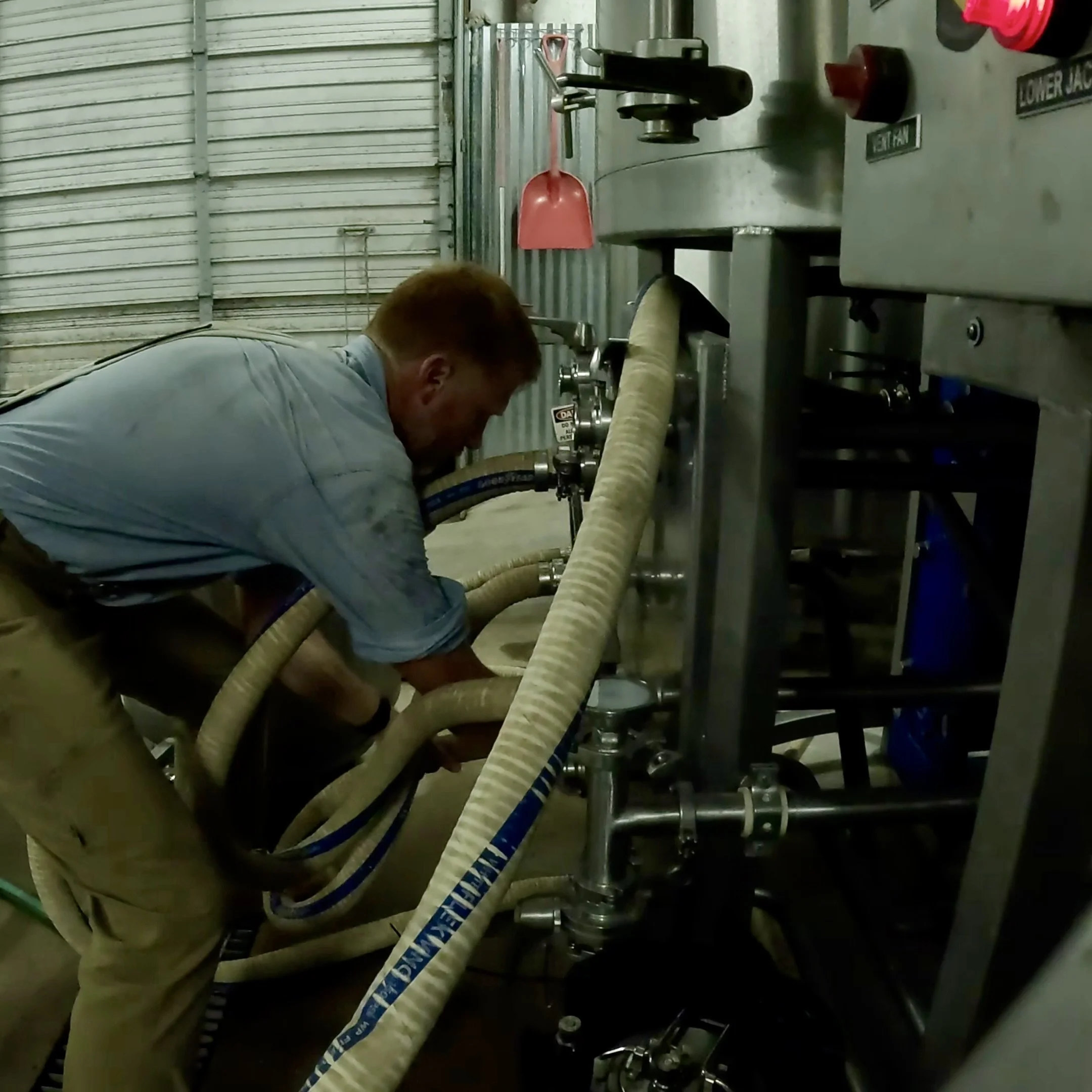
I went to the brewery that evening to finish my brew work. I was working every holiday that year to get the place off the ground. I felt awful, and not just physically. I knew that if I wanted to run farther, something had to change, and I knew I didn't want to fix it by drinking a chemical cocktail developed in a lab.
I've been running since fifth grade and racing cross country since 1997. I started homebrewing in 2002, in high school. In the early 2000s, both were strange things for a teenager to be doing, which is probably why they stuck.
Standing in the brewery that night, thinking about kefir and kombucha and whether fermentation could do what a sports drink couldn't, I did not know it would take ten years.
10 years
The first batches were wrong in every way a fermented drink can be wrong. The bacteria and yeast were wrong, so they came out too sour and too active. Undrinkable mid-run.
When I finally got the fermentation right, I found that adding electrolytes killed the cultures. Back to the beginning.
When I got live cultures and electrolytes to survive in the same can, it tasted like sour salt water.
I quit more than once. There were long stretches where I was convinced it couldn't be done without the additives and stabilizers I was trying to avoid. Then I'd bonk on another summer run and start over.
The answers came from other people's kitchens. I went to Mexico to learn how wild fermentation and fresh fruit become something you actually want to drink in the heat. I went to Norway, where endurance athletes build their diets around whole and fermented foods as a matter of course. I went to France, where fermenting at home is both a hobby and a daily obligation, done without ceremony. Each trip solved a piece of it.
the name
KINRO started as a sound. Kinetic, rolling, rotation, flow. The feeling of the next step, and then the one after that, which is most of what ultrarunning actually is.
Later I learned that 勤労 (kinrō) is Japanese for diligent labor. Hard, unglamorous work. That was a coincidence, and a good one, because the dirty and inglorious work is the beauty of the thing. That's the whole sport.
Where it’s made
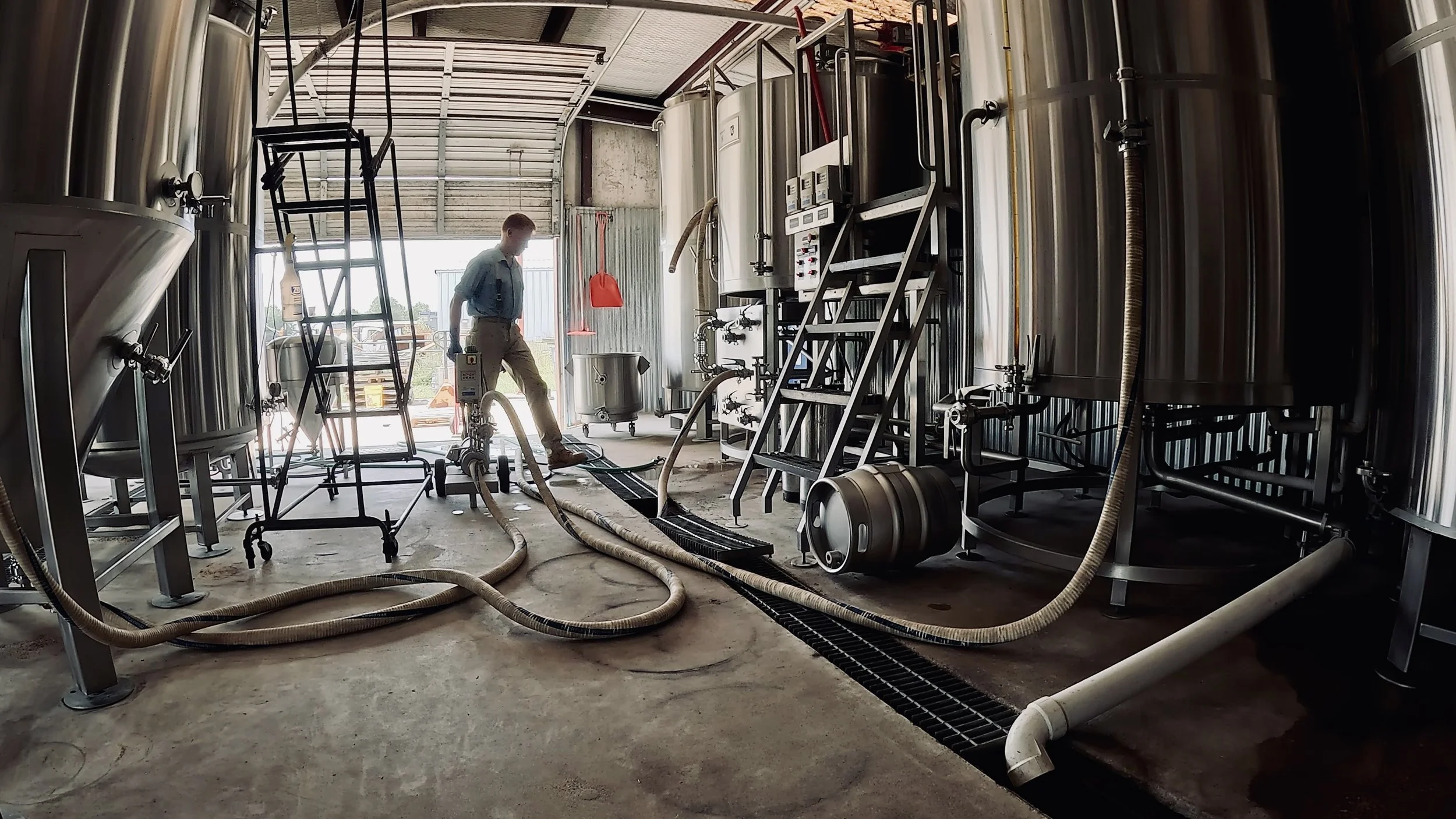
KINRO is brewed at our family farm outside Bellville, Texas, in the quiet country between the Hill Country and the Gulf Coast. My wife and I have run the brewery here since 2012, making craft beer in the same place I started homebrewing in high school. Chickens, cattle, and a sheep bell every so often.
The formula is mine. Ten years of it. But it wouldn't be finished without my family and the Huff Brewing Co. Running Club, who have been generous supporters and completely honest critics. The second one was more useful.
It's in cans now. That still surprises me.